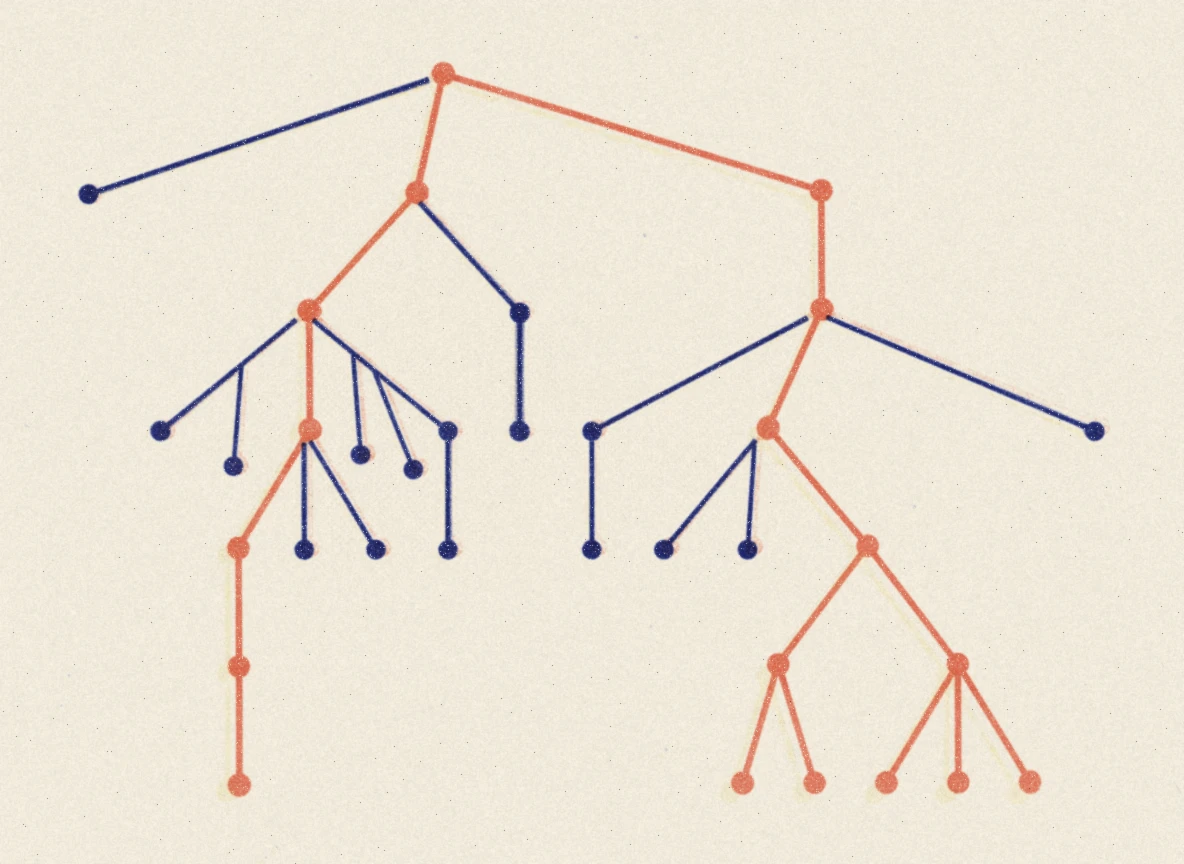
If an agent finds water and then dies, can the others still reach it? The Valley turns that question into an experiment. A hundred language-model agents live and die in a shared physical world, and we follow four such worlds for thirty simulated days.
This paper sets out the system and its observational protocol ahead of the results. It asks whether knowledge, coordinated work and recovery after a death belong to the population rather than to any one agent. Any system built to run for years will lose and replace parts along the way, so it has to answer the same question.
What the protocol measures
- Capability over a history. Standard evaluations reset the world and stop at the score. An autonomous system acts on a world its own earlier choices have shaped, mistakes included, so we measure it across that history.
- Capability as a property of the system. The same model is more or less capable as its memory, communication and recovery change, and a population can finish work that no single member could finish in one sitting.
- Knowledge that survives a death. It survives only through someone who learned it or a record that lasted. A discovery counts as shared when others can still act on it after its finder is gone.
- Physical outcomes only. A confident report of finding water scores nothing until someone reaches the water.